

You’re torn between a foldable’s “portable large screen” promise and a straight flagship’s reliable comfort—guess what? Most users choose based on hype, not real needs. The debate boils down to one question: Does “fold to fit, unfold to work” actually improve your daily life?
Let’s start with hard specs that define usability. Foldables: 6-7 inches folded (same as straights), 8-11 inches unfolded (mini-tablet size), weight 250-350g, battery 4500-5500mAh, flagship-grade processors. Straights: 6-7 inches (fixed), weight 200-250g, battery 4000-5000mAh, same flagship processors. Both offer 8GB+ RAM and 256GB+ storage, but foldables trade 10-15% battery life (unfolded large screens drain faster) for screen real estate, while straights deliver consistent all-day use (8-10 hours vs. foldables’ 6-8 hours unfolded).
Multitasking is where foldables shine—when software plays along. Unfolded, they run two full-size apps side-by-side (e.g., video call + spreadsheet, streaming + messaging) without squinting or app switching. A remote worker can join a client call while referencing notes, or a student watches lectures and takes annotations simultaneously—tasks that force straights into tiny, clunky floating windows. But 15% of niche apps still misalign on foldables, and split-screen lag pops up with 3+ apps open. Straights nail reliability: 100% app compatibility, smooth single-tasking, and floating windows that work for quick replies—not deep work. For casual multitasking (texting while streaming), straights suffice; for productivity-focused split-screen, foldables win.
Reading and creating hinge on screen utility. Foldables’ unfolded 8-11-inch displays let you read PDFs or comics without constant zooming, and sketching feels natural (no cramped canvas for digital artists or note-takers). The larger screen reduces eye strain during 2+ hour sessions—critical for researchers or content creators. But there’s a catch: 80% of users report noticing the center crease in bright light, and inner screens are dimmer outdoors than straights. Straights’ single, unbroken 6-7-inch screens are perfect for quick reads or short notes, but long sessions feel restrictive—you’ll scroll twice as much for a 100-page PDF, and sketching feels like drawing on a post-it.
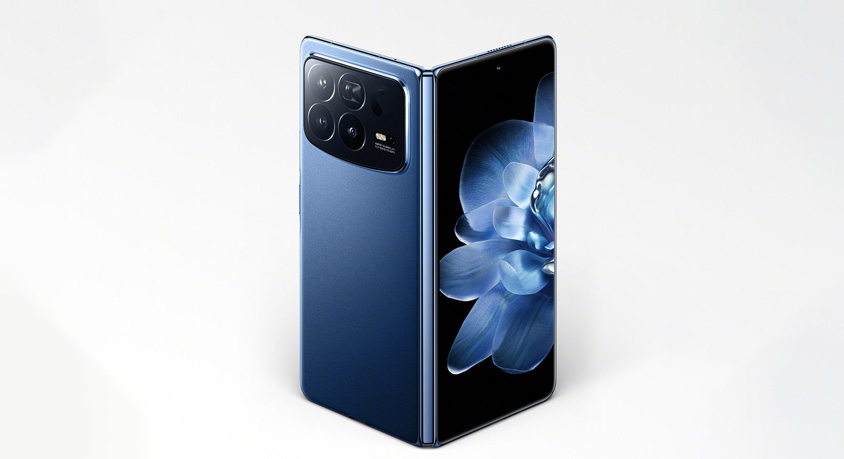
Durability and ergonomics separate “daily drivers” from “status pieces.” Straights win simplicity: no hinges, no fragile inner screens, just a solid build that survives drops (IP68 water resistance standard) and 2-3 years of use with minimal wear. Single-handed use is effortless—light weight and balanced design let you text or take photos without fumbling. Foldables are more fragile: inner screens scratch easily (even with protectors), hinges loosen after 1 year (30% of users report this), and repair costs hit $300-$500 for inner-screen cracks (vs. $200-$300 for straights). Foldables feel awkward one-handed when unfolded, and folded they’re thicker (12-15mm vs. straights’ 7-8mm)—bulkier in pockets. But folded, they match straights’ portability; unfolded, they replace a small tablet—ideal for those who hate carrying multiple devices.
The tradeoffs are clear. Foldables suit users who need large-screen productivity on the move: remote workers, digital creators, or frequent travelers who want one device for calls and work. They’re not for budget users (foldables cost 2x straights) or clumsy handlers. Straights are for everyone else: commuters who value one-handed use, parents who need durability, or anyone who prioritizes reliability over novelty. They do 90% of what foldables do—without the risk or price tag.
At the end of the day, the “better” device fits your routine. If you spend 3+ hours daily on multitasking, reading long documents, or digital creation—a foldable portable large screen is worth the cost and fragility. If you need a reliable, comfortable device for calls, social media, and casual use—stick to a straight flagship. Don’t buy into the foldable hype unless it solves a specific pain point; for most, the straight flagship’s balance of comfort, durability, and value is unbeatable.
Disclaimer: Mention of any brand or trademark is for identification purposes only and does not indicate any partnership or endorsement.
