

You’re torn between upgrading your phone, grabbing a small tablet, or splurging on a large tablet—guess what? 90% of users pick the wrong form factor because they prioritize specs over real-world use. The debate isn’t “which is better” but “which fits your life”: phones win at portability, large tablets dominate productivity, and small tablets strike a middle ground. Here’s the data-backed breakdown of how each device performs in productivity, entertainment, and portability—plus exactly who should buy which one.
Let’s start with hard specs that define real-world use. Screen size: phones (6-7 inches), small tablets (8-10 inches), large tablets (11-13 inches). Weight: phones (200-250g), small tablets (300-450g), large tablets (500-700g). Battery capacity: phones (4,000-5,000mAh), small tablets (6,000-8,000mAh), large tablets (8,000-10,000mAh). Processor performance: flagship phones and large tablets share similar chips (handles multitasking and light design work), while small tablets often use mid-range processors (smooth for basic tasks but lags with heavy apps). Storage options: all start at 128GB, but large tablets top out at 2TB (vs 1TB for phones/small tablets)—critical for content creators.
Productivity boils down to screen real estate and input flexibility. Large tablets (11-13 inches) let you split two apps side-by-side without squinting, pair with a portable keyboard for 80% of laptop-level work, and handle light video editing or spreadsheet management. A remote worker can draft reports, join video calls, and reference documents simultaneously—something impossible on a phone. Small tablets (8-10 inches) work for note-taking, email, and light document edits, but split-screen feels cramped. Phones (6-7 inches) are limited to quick replies and task management—typing more than a paragraph is tedious, and multitasking is a hassle. Battery life reinforces this: large tablets last 8-10 hours of heavy use (all-day meetings), small tablets 6-8 hours (student classes), phones 4-6 hours (commute checks).
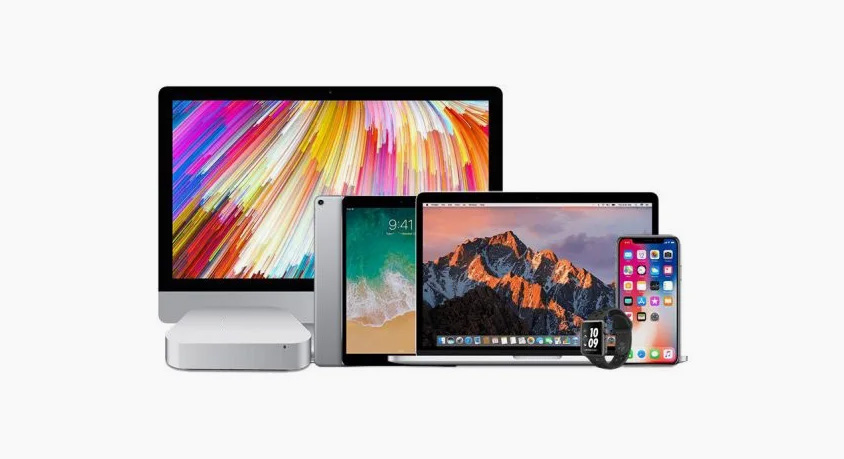
Entertainment depends on how and where you consume content. Large tablets deliver immersive 1080p+ displays with better speaker placement—ideal for streaming shows on the couch or editing photos. The bigger screen makes gaming more engaging, with controls easier to reach. Small tablets are perfect for on-the-go entertainment: watching episodes during a flight or reading e-books in bed without straining your wrists. Phones work for quick TikTok scrolls or podcast listening, but their small screens ruin movie nights, and holding them for hours causes hand fatigue.
Portability is make-or-break for frequent users. Phones slip into pockets—no extra bag needed—making them indispensable for commuters who dash between trains and meetings. Small tablets fit in a tote or backpack without adding bulk, balancing screen size and convenience for students or casual users. Large tablets require a dedicated case or bag, and their weight (500+g) strains shoulders during long commutes—great for home/office use but a burden for travelers. A sales rep who travels weekly can’t justify a large tablet, but a freelance designer working from home will wonder how they lived without one.
Each form factor has clear tradeoffs. Phones: ultra-portable but productivity-limited—best for users who value staying connected on the move and only need basic tasks. Small tablets: versatile but unexceptional—ideal for students, parents, or anyone who wants more screen than a phone without the bulk of a large tablet. Large tablets: productivity powerhouses but cumbersome—perfect for remote workers, content creators, or anyone who uses their device as a primary work tool. No device is perfect: phones fail at multitasking, large tablets fail at portability, small tablets lack a “killer feature” but do everything adequately.
Real-world scenarios highlight the right picks. A commuter who spends 2 hours on public transit needs a phone—they can reply to emails, check social media, and make calls without carrying extra gear. A college student attending 4 classes a day benefits from a small tablet: it’s light enough to carry in a backpack, runs note-taking apps smoothly, and streams lectures during study breaks. A remote marketer who creates social media content and writes blogs should choose a large tablet: paired with a Bluetooth keyboard, it handles content drafting and photo editing, and the long battery lasts through back-to-back client calls.
The final buying rule is simple: prioritize your most frequent use case. If you’re on the move 80% of the time: phone. If you split time between casual use and light work: small tablet. If you use your device for work 6+ hours a day: large tablet. Add accessories to fill gaps— a portable keyboard for small/large tablets, a screen protector for phones carried everywhere—to maximize utility without switching devices.
Disclaimer: Mention of any brand or trademark is for identification purposes only and does not indicate any partnership or endorsement.
